Himalayan pink salt is mined in one region of the world: the Salt Range in Punjab, Pakistan. If you plan to import it for food, retail, spas or animal feed, this guide covers the grades, quality checks, HS codes, packing and documents you need to know.
Where Himalayan pink salt comes from
Pink rock salt is mined in the Salt Range, a line of hills that runs for about 200 km across northern Punjab, between the Jhelum and Indus rivers. The best-known mine is at Khewra in Jhelum District, often described as the second-largest salt mine in the world. The salt formed from ancient seas, and its pink colour comes from natural traces of iron and other minerals.
Grades and grain sizes
| Grade | Grain size | Typical use |
|---|---|---|
| Extra fine | 0.1 to 0.5 mm | Bakeries, sauces, snacks and seasoning blends |
| Fine | 0.5 to 1 mm | Cooking, table salt and shakers |
| Medium | 1 to 3 mm | Grinders, brining and cooking |
| Coarse | 2 to 5 mm | Grinders, grilling and finishing dishes |
| Chunks and lumps | Larger pieces | Bath salts, animal lick salt and decoration |
Salt also comes in light pink and dark pink. If you sell under your own brand, keep the colour the same from order to order.
Quality checks to ask for
- Sodium chloride (NaCl): usually about 96% to 98% for edible pink salt
- Moisture: usually 0.5% maximum
- Water-insoluble matter: usually 1% maximum
- Colour and grain size: as agreed, with a sample approved before shipment
- Food safety: a lab analysis report (minerals and purity) and a food-grade test report for your market
Ask for these results in writing, and approve a sample before you confirm the order.
HS codes for pink salt products
Customs codes depend on what the product is, not only on what it is made of. These are the codes usually used, but always confirm with your customs broker before you import:
| Product | Usual HS code |
|---|---|
| Edible salt in bulk or retail packs | 2501.00 |
| Plain bath salt and animal lick salt | 2501.00 |
| Scented bath salt (with essential oils) | 3307.30 |
| Cooking blocks, plates and other shaped salt articles | Often 6815.99 |
| Electric salt lamps | Heading 9405 (lamps) |
For example, US Customs has classified a Himalayan salt cooking plate under 6815.99 rather than 2501, because the salt had been shaped into an article. Getting the code right avoids delays and unexpected duties.
Packing options
- Bulk: 25 kg and 50 kg PP bags with an inner liner, or 1,000 kg jumbo bags
- Retail: jars, shakers, grinders and pouches from about 100 g to 2 kg
- Private label: your brand, language, barcode and label design. See retail packs and grinders.
- Gift and décor items: lamps and cooking blocks in gift boxes and master cartons
Check your country’s labelling rules early. Most markets require the product name, net weight, ingredients, country of origin and the importer’s details on each retail pack.
Container loads
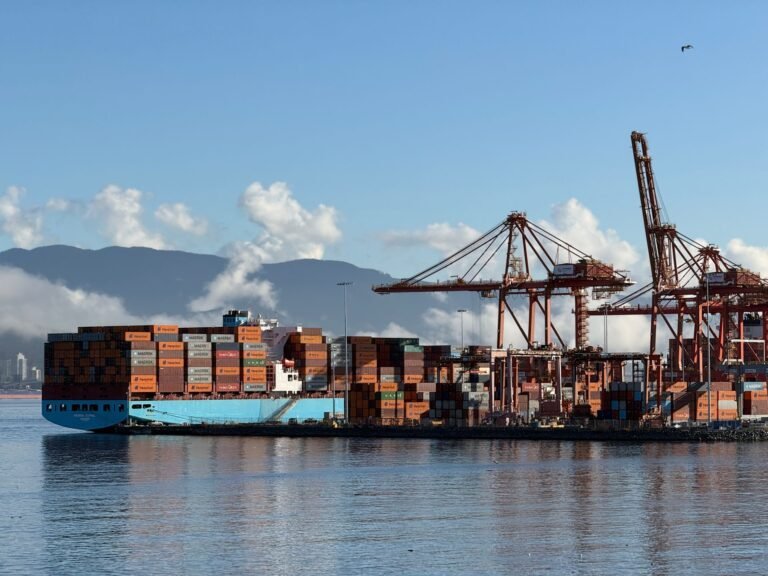
Salt is heavy, so containers fill by weight rather than space. A 20 ft container usually takes about 25 to 27 metric tons of bagged salt. Lamps, cooking blocks and retail packs fill by space instead, so we prepare a loading plan for each order. Mixed containers with several items are possible.
Documents you will receive
- Commercial invoice and packing list
- Bill of lading
- Certificate of origin
- Lab analysis report and food-grade test report (on request)
- Third-party inspection certificate (on request)
How to place an order
- Send us the product, grain size, colour, packing, quantity and destination port.
- We send a quotation, usually within one working day, and samples if you need them.
- We agree the specification, price, Incoterm (FOB Karachi, CFR or CIF) and payment terms in a contract.
- The salt is crushed, sieved, packed and checked, then loaded at Karachi Port or Port Qasim.
- You receive the shipping documents through the bank or as agreed.
Ready to start? Request a quote or browse our full Himalayan pink salt range.